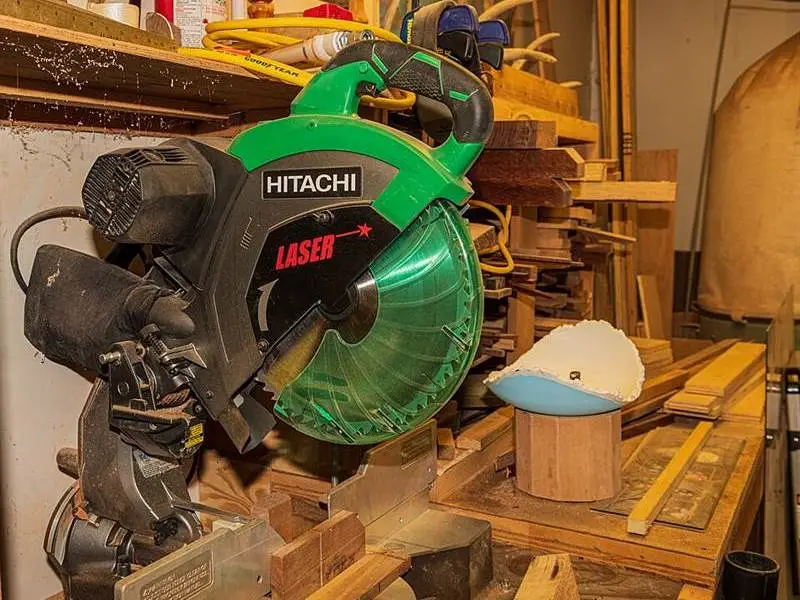
Table saw vs miter saw vs chop saw: which one do you need?
A table saw rips boards and sheets. A miter saw crosscuts and cuts angles. A true chop saw cuts metal. Compare specs, safety and which to buy first.
Hub
Browse guides by topic and find the next step for your project.
This hub helps you cut a material cleanly with the saw you have, or pick the saw you need. It covers saw types, blades and discs, and step-by-step methods for wood, metal, tile, drywall, plastic and more.
A bad cut is most often the wrong blade, not the wrong saw. Tooth count, blade type and speed matter as much as the tool. So the guides are grouped two ways: by saw, and by the material you're cutting.
How to pick a guide:
Each cluster starts with one main guide. Material pages link every cutting guide for that material.
A table saw rips boards and sheets. A miter saw crosscuts and cuts angles. A true chop saw cuts metal. Compare specs, safety and which to buy first.

Cut tile without a wet saw: score and snap for straight cuts, nippers for curves, an angle grinder for thick porcelain, an oscillating tool for notches.

Cut 1/4-inch steel plate with an angle grinder, a metal-cutting circular saw, a plasma cutter, a torch or a hacksaw. Which tool to pick and how to use it.

A circular saw cuts drywall but fills the room with gypsum dust. See when it makes sense, how to do it safely, and the faster score-and-snap method.
A buzz saw is a circular saw: a power saw with a round, toothed blade. Learn what people mean by it, what it's used for, and how it compares to other saws.
Table, miter, chop, circular, band, jig and track saws: what each one cuts and which to buy.
Tooth count, kerf and blade types for circular saws, recip saws, jigsaws and angle grinders.
Cut porcelain and ceramic tile with or without a wet saw, including outlet holes.
The right tool and blade for steel, aluminum, acrylic, fiberglass, laminate, drywall and more.
Straight lines, clean circles, square miter cuts, and how to stop kickback and burning.
A portable band saw cuts metal pipe, conduit, strut, rod and angle cleanly, with few sparks. See what it cuts, how big it cuts, and which blade to fit.
A table saw rips boards and sheets. A miter saw crosscuts and cuts angles. A true chop saw cuts metal. Compare specs, safety and which to buy first.
Yes, a circular saw cuts plexiglass. Use a fine carbide triple-chip blade, clamp the sheet under a straightedge, leave the film on and feed steadily.
Cut aluminum with a non-ferrous carbide blade, a metal jigsaw blade, a fine hacksaw or snips. Pick the tool by shape, then clamp, wax and deburr.
Cut a round circle with a jigsaw: mark it, drill a start hole, use a circle guide and a narrow blade. Plus how to cut plexiglass circles without cracks.
Cut 1/4-inch steel plate with an angle grinder, a metal-cutting circular saw, a plasma cutter, a torch or a hacksaw. Which tool to pick and how to use it.
Corded miter saws never run out of power. Cordless ones go anywhere. Compare runtime, weight, cost and cut capacity, and see which fits home use.
Most wood miter saws can cut aluminum with a non-ferrous blade, but not steel. See which saws can cut mild steel and why an abrasive wheel is a no.

Brushless tools have no carbon brushes, so they waste less battery and run cooler. Makers claim up to 50% more runtime. When it's worth paying more.
A trim saw is a small 4-1/2 to 5-3/8 inch circular saw for light cuts in trim, plywood and sheet goods. See what it cuts, its limits and when to use one.
A panel saw cuts big sheets of plywood, MDF or acrylic into parts. Learn how vertical and sliding-table panel saws work, plus the handsaw of the same name.
A buzz saw is a circular saw: a power saw with a round, toothed blade. Learn what people mean by it, what it's used for, and how it compares to other saws.
Cut up an old hot tub with a reciprocating saw: long demolition blades for the frame and foam, abrasive blades for the fiberglass shell. Safety first.

A diamond blade that stops cutting is usually glazed, not worn out. Dress it with a few cuts in a soft abrasive. Steps for tile saws, grinders and more.

Chisel tile off a slab with a rotary hammer, then grind the thin-set flat for the new floor. Plus the asbestos check and silica dust rules to follow first.
Cut tile without a wet saw: score and snap for straight cuts, nippers for curves, an angle grinder for thick porcelain, an oscillating tool for notches.

No saw? Cut laminate planks with a laminate cutter, a utility knife or an oscillating tool. Which method fits each cut, plus gaps, door jambs and pipes.

A hot saw is a racing chainsaw built around a big one-cylinder engine. See the parts, the STIHL TIMBERSPORTS rules, the real risks and safer ways to start.
A circular saw cuts drywall but fills the room with gypsum dust. See when it makes sense, how to do it safely, and the faster score-and-snap method.