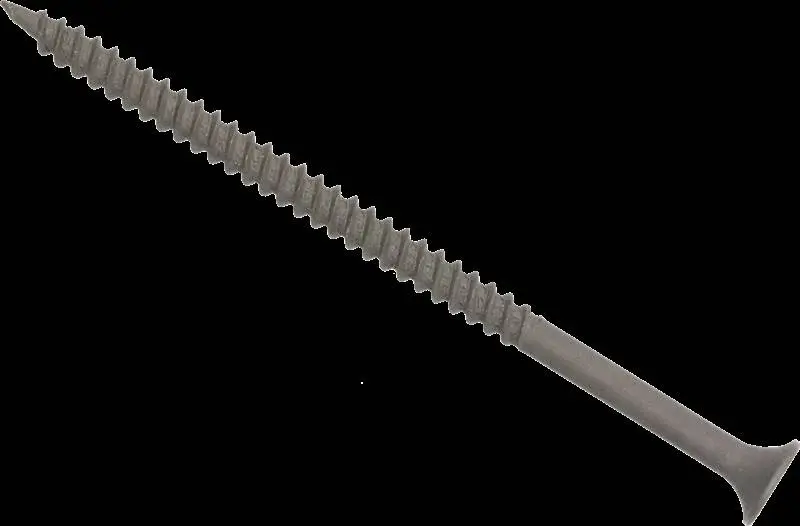
Screw won't go into the wall? Find the cause and fix it
A screw that stops, spins or won't bite is hitting something. Learn how to tell a stud, metal plate, masonry or a stripped hole apart, and fix each one.
Hub
Screws, wall anchors, nails, bolts and snap rings. Find the right fastener for your wall or material, and fix screws that won't go in or won't stay put.
This hub is for the moment something won't go in, won't stay in, or you're not sure what to use. It covers screws, wall anchors, nails, bolts, and the small rings and clips that hold parts on a shaft.
Most fastener trouble comes down to a mismatch. The screw is wrong for the material, the anchor is wrong for the wall, or there's no pilot hole. So the guides are grouped by the job, not by the part.
How to pick a guide:
Each cluster below starts with one main guide, then the smaller fixes. Material pages show what holds best in drywall, wood, concrete and steel.
A screw that stops, spins or won't bite is hitting something. Learn how to tell a stud, metal plate, masonry or a stripped hole apart, and fix each one.
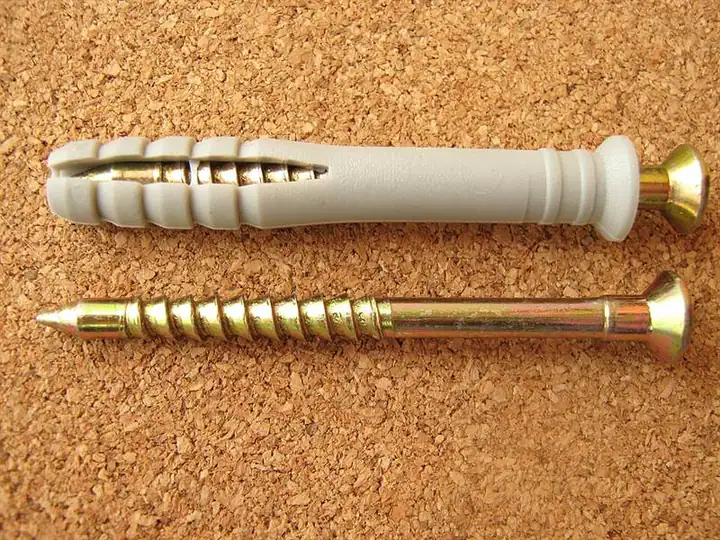
Coil framing nailers can hold 200+ nails per load. Stick nailers hold fewer but come in more nail angles. Compare specs, nail types and safety.
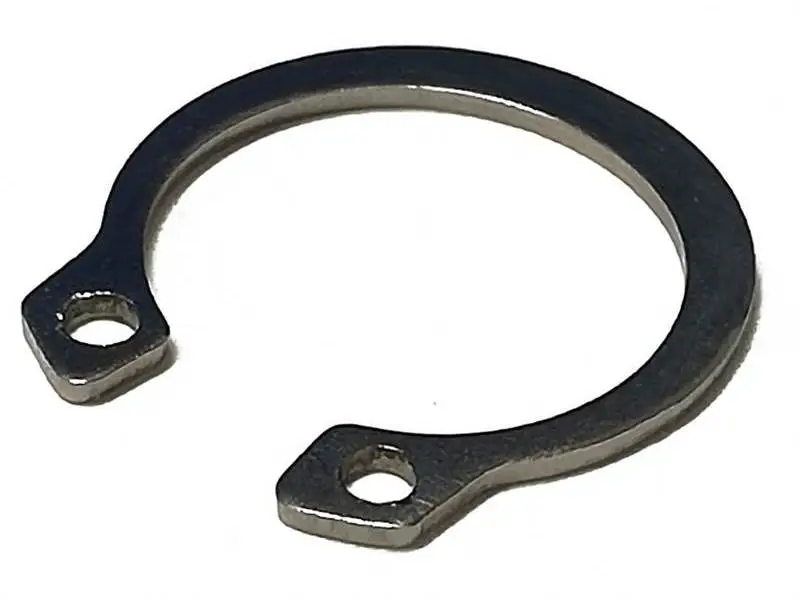
No snap ring pliers? Use needle-nose pliers, two small screwdrivers or a pick, matched to the ring type. Here's which method fits which ring, done safely.
Which anchor holds in drywall, plaster, tile or concrete, and what to do when a screw or anchor spins or won't bite.
Tapcon, sleeve, wedge and drop-in anchors: which one to use, the bit size, and how to remove a broken one.
Wood, drywall, deck, lag and self-drilling screws, head and drive types, and how to pick the right size.
When you need a pilot hole, what size to drill, and how to stop wood from splitting.
Get out stripped screws, rounded bolts, snapped heads and rusted nuts, easiest method first.
Snap rings, circlips and E-clips: how to tell them apart, remove them and put them back.
Framing, finish and brad nailers, nail sizes, and what to check when a nail gun won't fire.
Find a stud with or without a stud finder, in drywall or old plaster walls.
Read bolt size and thread pitch, tell SAE from metric, and look up basic torque values.
Eight nail gun types, the nails each one shoots and the jobs they fit, from framing and roofing to brad and pin. Plus air vs cordless and trigger safety.

No nail gun? Hand-nail quarter round with finish nails and a nail set, or glue it with construction adhesive. Fasten it to the baseboard, not the floor.
Coil framing nailers can hold 200+ nails per load. Stick nailers hold fewer but come in more nail angles. Compare specs, nail types and safety.

A nailer board is a strip of lumber added only to give you something to nail into. Where nailers go for drywall, cabinets, crown, roof edges and turf.
A screw that stops, spins or won't bite is hitting something. Learn how to tell a stud, metal plate, masonry or a stripped hole apart, and fix each one.

Lost the pin wrench? Loosen a grinder flange nut, faucet nut or slotted ring nut with pliers, a strap wrench or a basin wrench. No hammer and screwdriver.
No snap ring pliers? Use needle-nose pliers, two small screwdrivers or a pick, matched to the ring type. Here's which method fits which ring, done safely.