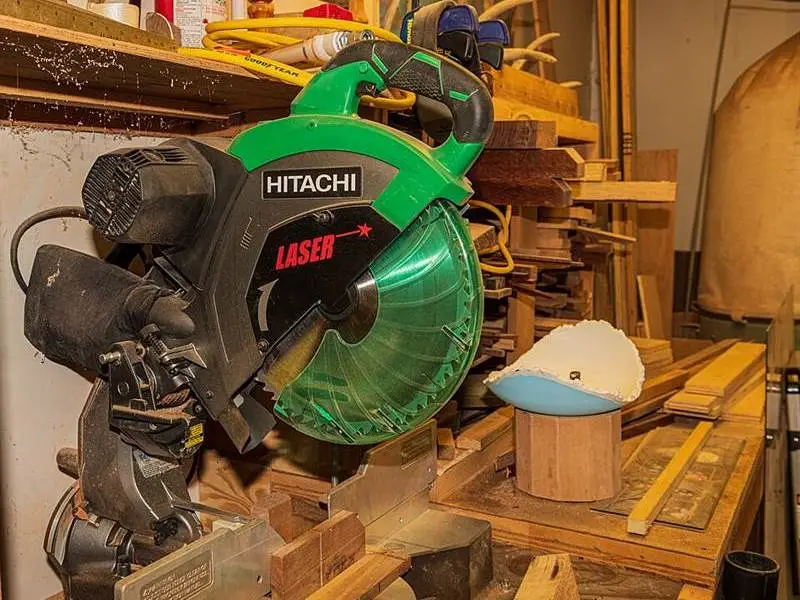
Power tool wattage chart: running and starting watts
Running, extra starting and total starting watts for circular saws, miter saws, table saws, drills, grinders and compressors, with a source for every row.
Hub
Browse guides by topic and find the next step for your project.
This hub covers the power side of your tools: batteries and chargers, watts and inverters, extension cords, and the multimeter you use to check them. It does not cover house wiring. For outlets, panels or new circuits, call a licensed electrician.
Most problems here come down to three numbers: volts, amps and watts. A pack that won't charge, an inverter that trips, or a cord that gets warm often means one of them doesn't match. The guides show you which one, and where to find it on the label.
How to pick a guide:
Each cluster below starts with one main guide, then the smaller fixes. The calculators do the watt and amp math for you.
Running, extra starting and total starting watts for circular saws, miter saws, table saws, drills, grinders and compressors, with a source for every row.
A 7-1/4-inch corded circular saw needs about 1,800 to 2,200 W continuous and 4,000 W surge. See the chart, the math and the 12 V battery draw.
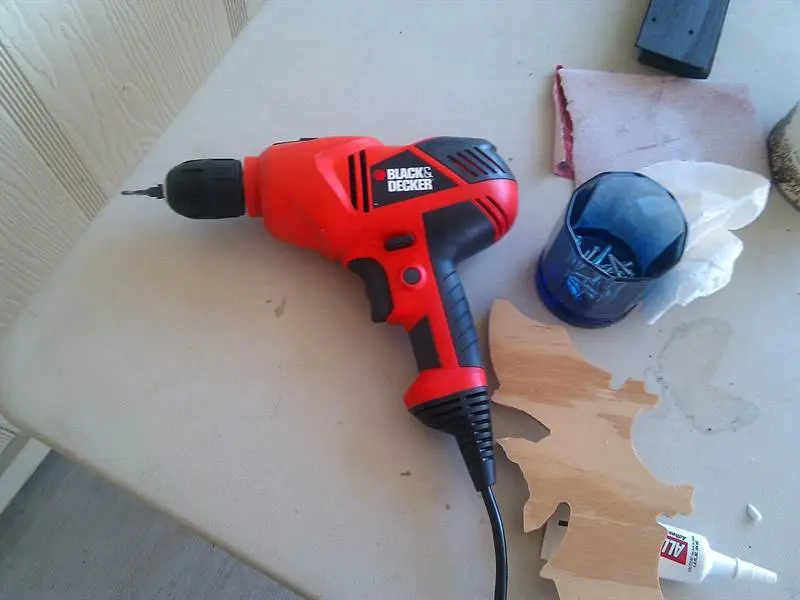
A Ryobi 18V battery that won't charge is usually too hot, too cold, drained or worn out. Read the charger lights, try the safe fixes, skip the myths.
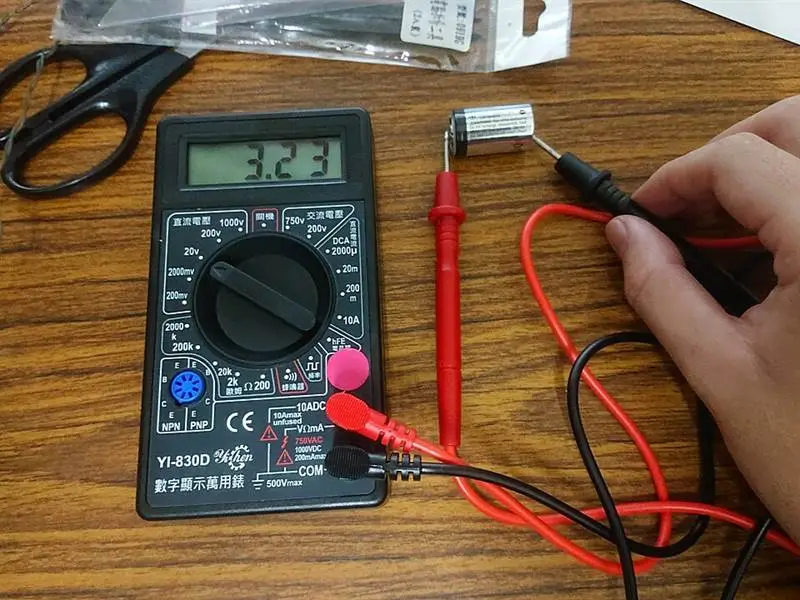
Klein MM700 specs from the manual: CAT IV 600V, True RMS, LoZ, 1000V, 10A. How it compares with the MM400, MM600 and Fluke 115/117, and safe use.
A 12-volt car or mower battery has 6 cells of about 2.1 volts each. Lithium 12V batteries use 4 or 3 cells. How to tell, and how to spot a dead cell.
The settings you'll actually use, symbols, continuity tests, CAT ratings and how to check a tool battery.
18V, 20V MAX, 40V and more, amp-hours, charger light codes, and what to do with a pack that won't charge.
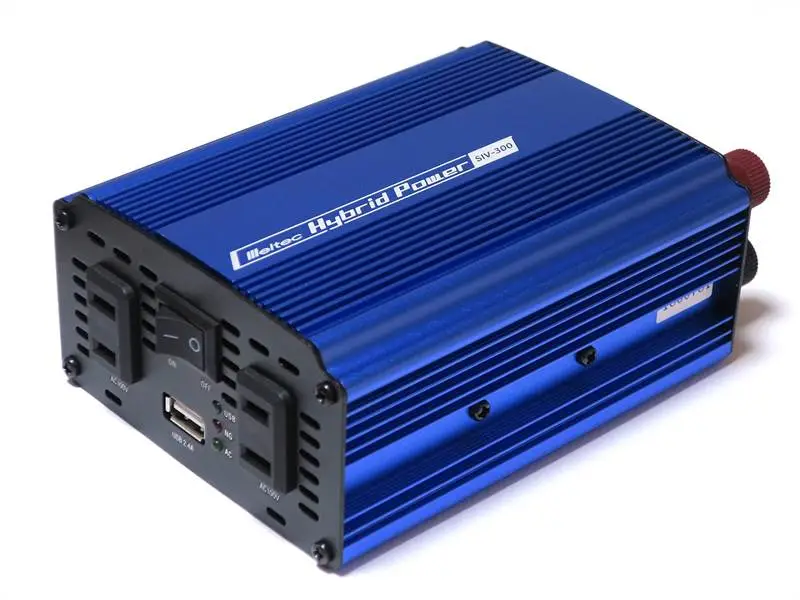
Running and starting watts, inverter and generator sizing, sine wave types and the cord gauge for each tool.
Klein MM700 specs from the manual: CAT IV 600V, True RMS, LoZ, 1000V, 10A. How it compares with the MM400, MM600 and Fluke 115/117, and safe use.
A 7-1/4-inch corded circular saw needs about 1,800 to 2,200 W continuous and 4,000 W surge. See the chart, the math and the 12 V battery draw.
A Ryobi 18V battery that won't charge is usually too hot, too cold, drained or worn out. Read the charger lights, try the safe fixes, skip the myths.
Running, extra starting and total starting watts for circular saws, miter saws, table saws, drills, grinders and compressors, with a source for every row.
Zero the needle, pick the range, read the right scale and multiply. How to use an analog multimeter for volts, ohms and amps, and when not to.
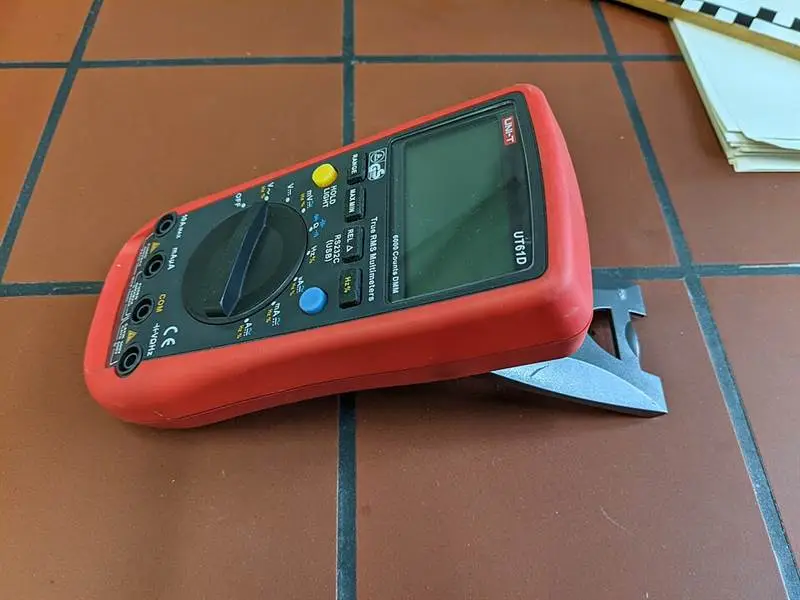
Check for voltage the safe way: a CAT-rated meter, a non-contact tester first and the NFPA 70E live-dead-live check. Outlets, cords and dead circuits.
Blue reads the low side, red the high side, and the colored rings convert pressure to refrigerant temperature. How to read them, and the EPA 608/609 rules.
A 12-volt car or mower battery has 6 cells of about 2.1 volts each. Lithium 12V batteries use 4 or 3 cells. How to tell, and how to spot a dead cell.
How to use Harbor Freight's Cen-Tech multimeters, from its own manuals: dial settings, fuses, CAT ratings and when a budget meter stays off mains power.