Screw won't go into the wall? Find the cause and fix it
In this guide
Most likely causes
Back the screw out and look at the tip and the dust before you push harder.
| What you see | What it means | The fix |
|---|---|---|
| Screw stops hard about 1/2 to 1 1/2 in deep, bright metal on the tip | A steel nail plate or a metal stud | Stop. Plates guard wires and pipes. Move over (see below) |
| Wood shavings, screw slows and stalls | You hit a wood stud with no pilot hole | Drill a pilot hole |
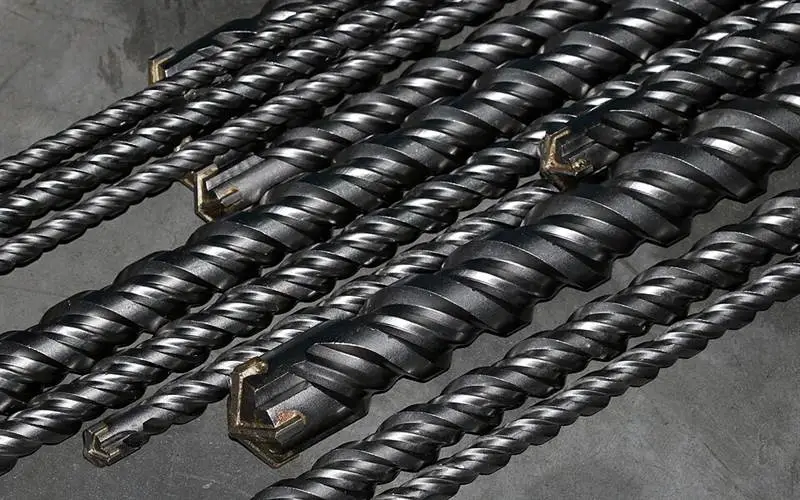
| Red or gray grit, tip goes dull | Brick, block, concrete or old plaster over masonry | Hammer drill + masonry bit + masonry screw or anchor |
| White dust only, screw spins and won't tighten | Hollow drywall, nothing to bite | Use a wall anchor, or find a stud |
| Screw went in, now spins in place | Stripped hole or anchor too small | Move over, or go up an anchor size |
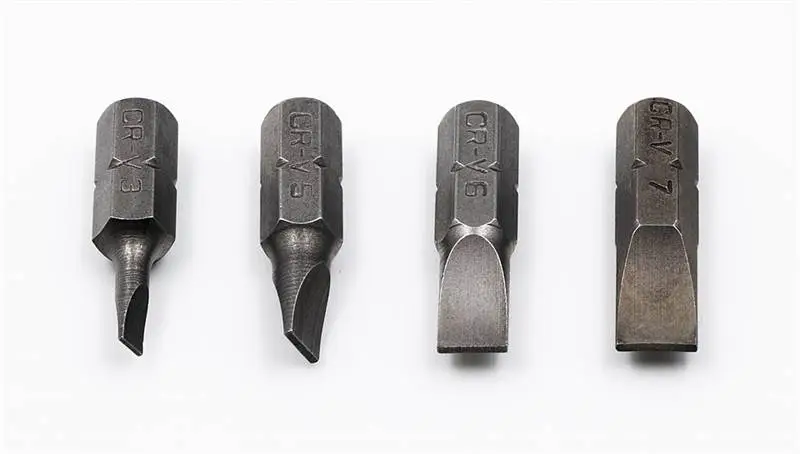
| Bit jumps out of the screw head | Worn or wrong bit (cam-out) | Fresh bit that fits the head; push straight in |
| Drill clicks and stops | Clutch set too low | Turn the clutch to a higher number |
| Screw stops short and won't pull in flush | Screw too long for what's behind, or hit a second stud layer | Shorter screw, or a deeper pilot hole |
Fixes by what's behind the wall
You hit metal: stop first
Electrical code calls for a steel plate where a cable passes within 1 1/4 inches of the face of a stud. Plumbing code asks for the same kind of shield for pipes. If your screw stops at a hard metal layer a little way in, that's what you've likely found.
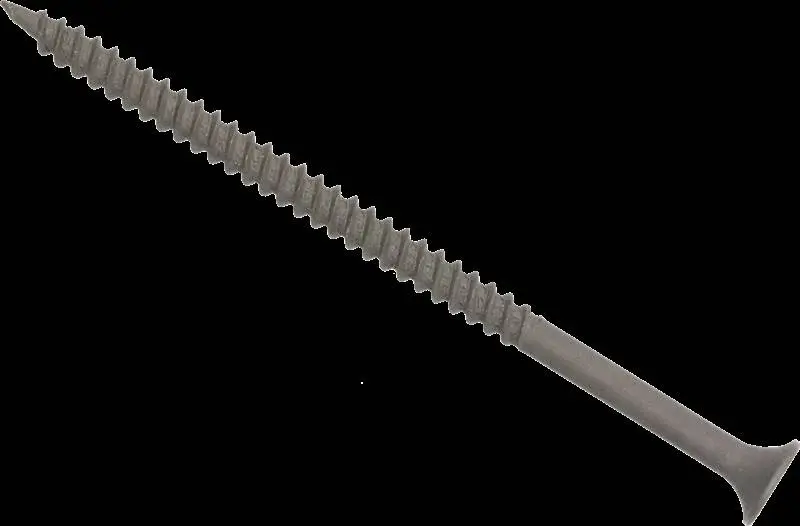
If the whole wall is metal studs (common in basements and newer buildings), use fine-thread drywall screws or self-drilling screws made for steel studs. Coarse wood screws just strip in thin steel.
You hit a wood stud: drill a pilot hole
A drywall screw goes into a stud without help. A thicker screw, a long lag screw or old, hard lumber often won't. Drill a pilot hole first:
- Hold a twist bit in front of the screw. Pick one that covers the solid core but not the threads.
- Drill through the drywall and into the stud as deep as the screw will go.
- Drive the screw at a slow speed with steady pressure.
In dense hardwood, rub a little bar soap or wax on the threads. Don't use oil.
You hit masonry: switch tools
Brick, block, concrete and some plaster walls won't take a wood screw.
- Use a hammer drill with a carbide masonry bit.
- Drill to the size and depth on the anchor or screw package. For example, Tapcon calls for a 5/32-inch bit for its 3/16-inch screws.
- Blow or vacuum the dust out of the hole.
- Drive the masonry screw, or tap in a plastic anchor and drive the screw into it.
Nothing behind it: use an anchor or find a stud
If only white dust comes out and the screw spins freely, there's no stud there. A plain screw in drywall alone holds very little. Pick one:
- Find a stud with a stud finder or a magnet (it sticks to screw heads). See how to find a stud.
- Use an anchor sized for the weight. Our wall anchor types guide compares plastic, self-drilling, toggle and molly anchors.
- For a TV, shelf or mirror with no stud nearby, follow how to hang heavy things on drywall without a stud.
Why won't the screw go all the way in?
Go down this list in order:
- Clutch slipping. The numbered collar on a drill/driver limits torque. Raise it, or use the drill setting.
- Battery low. A tired battery stalls on long screws. Swap it.
- Pilot hole too shallow. The screw bottoms out at the end of the hole. Drill deeper.
- Screw too long. It's hitting a second stud, a block or the far wall. Use a shorter screw.
- Wrong driver. For long screws into studs, an impact driver drives easier than a drill/driver.
If that didn't work
- The screw head stripped. Stop driving. Use a rubber band between the bit and the head, or a screw extractor. Our guide on removing a stripped screw covers each method.
- The hole is now too big. Move the screw 1 to 2 inches, or fill the hole with a larger anchor.
- The wall crumbles around the hole. Old plaster is cracking. Drill a pilot hole at low speed and use a toggle bolt, which spreads the load behind the wall.
- The screw broke off. Drive the stub flush with a nail set, patch over it, and move over.
When to call a pro
Call a licensed electrician or plumber if you hit a plate near an outlet, smell gas or see water after drilling. For heavy loads on masonry or metal studs, a handyman with the right anchors is cheaper than a ruined wall.
The right driver bit matters more than most people think. See types of screwdrivers for the common heads and which bit fits each. More fastening fixes are in the fasteners hub, and the drywall and plaster page covers that material.
What you'll need
- Drill/driver or impact driver: Set the clutch high for long screws
- Fresh #2 Phillips or the matching bit: Worn bits cam out
- Twist bits for pilot holes: Sized to the screw's core
- Stud finder: Or a strong magnet
- Hammer drill + carbide masonry bit: Only for brick, block or concrete
- Anchors rated for your load: Read the load on the package
- Safety glasses: Masonry and metal chips fly
Key takeaways
- Read the dust on the screw tip: white = drywall, wood = stud, red or gray grit = masonry, shiny metal = steel.
- If you hit metal just behind the drywall (about 1/2 to 1 1/2 inches in), stop. Steel plates guard wires and pipes.
- Wood studs need a pilot hole for big screws. Masonry needs a hammer drill, a masonry bit and a masonry screw or anchor.
- A screw that spins without tightening has a stripped hole or an anchor that's too small. Move over or go up a size.
- Use the right bit. A worn or wrong-size driver bit cams out and makes it seem like the screw is stuck.
Questions people ask
Why won't my screw go into the stud?
Old or dense lumber can be too hard for a big screw to start without a pilot hole. Drill a pilot hole about the size of the screw's solid core, then drive again. If the tip hits metal instead, stop: it may be a steel plate guarding a wire or pipe.
Why won't my screw go all the way in?
The screw is too long for what's behind the wall, the drill clutch is slipping, or the hole is too small. Lower the speed, raise the clutch setting, or drill the pilot hole a bit deeper.
Should I use WD-40 on a screw that won't go in?
No. Oil doesn't help a screw cut into wood or masonry, and it can stain the wall. If wood is hard to drive into, a pilot hole works. A little bar soap or wax on the threads helps in dense hardwood.
Can I drive a screw into brick without a drill?
Not reliably. Brick and concrete need a hole drilled with a masonry bit first, then a masonry screw or an anchor.
Sources
Change log: Nov 6, 2026: Rewritten from the 2023 archive post. Removed advice to oil screws and sharpen them with a knife; added the cause table, safety stop for steel plates and masonry steps.