How to organize a toolbox so you can find every tool

In this guide
A messy toolbox costs you time on every job. The fix isn't a new box. It's a simple system: one home for every tool, sorted by job, with heavy tools low. This guide is part of our workshop hub.
Most likely causes of a messy toolbox
| Problem | Sign | Fix |
|---|---|---|
| No fixed home for each tool | You dig for the same tool every job | Assign spots and label them |
| Too many duplicates and broken tools | Three tape measures, one works | Purge before you organize |
| Sorted by brand or size, not by job | Plumbing tools in four drawers | Group by task, then by size |
| Small parts loose in drawers | Bits and screws everywhere | Bins with lids, one per type |
| Heavy tools up high | Top drawers sag; chest feels tippy | Move heavy tools to the bottom |
| Damp storage | Orange spots on pliers and sockets | Liners, desiccant, wipe tools dry |
Step 1: empty it and purge
Take everything out. Lay it on a bench or the floor.
- Toss or fix broken tools. OSHA's hand tool guide says to keep tools in good condition and check them before each use. A cracked handle or a rounded socket goes, or gets replaced.
- Pull duplicates. Keep the best one in the box. Move the spare to a backup bin or a car kit.
- Pull fasteners out. Screws, nails and anchors get their own system. See how to organize screws and fasteners.
Step 2: sort by job, then by how often you use it
Group tools by what they do:
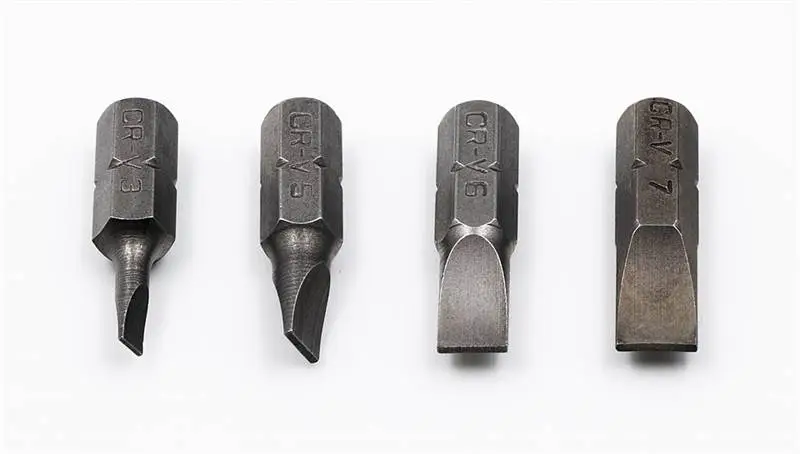
- Drive: screwdrivers, bits, nut drivers. Our types of screwdrivers guide helps you weed out tips you never use.
- Grip and turn: pliers, wrenches, sockets.
- Measure and mark: tape, square, level, pencil.
- Cut: utility knife, snips, hacksaw. Keep blades sharp; see how to sharpen a titanium-coated knife.
- Strike and pry: hammer, pry bar, punches.
Then rank each group by use. Daily tools sit where you can grab them. Once-a-year tools go deep.
Not sure what belongs in a basic kit? See tools every homeowner needs.
Fixes by type of toolbox
Hand-carry toolbox (one lid, one tray)
- Put the tools you use most in the lift-out tray. A multi-tool earns a spot here; see what the awl on a multi-tool is for.
- Lay long tools (level, hacksaw, pry bar) flat in the bottom along the length of the box.
- Use a small bin in the bottom for pliers and wrenches so they don't slide.
- Keep bits in a closed case, not loose in the tray.
A hand box works best as a job kit. Many people keep one for general fixes and one for plumbing or electrical. A plumbing kit should hold a basin wrench for nuts under the sink.
Rolling chest or cabinet with drawers
Drawers hold a lot, so weight and tipping matter. Husky's use and care guide for its 41-inch chest and cabinet sets clear rules:
- Load the bottom drawers first, and keep heavy items low "to help prevent the possibility of the chest-cabinet tipping over."
- Open only one drawer at a time.
- Don't overload a drawer. That model is rated 100 lb per drawer and 400 lb for the top chest. Check your own model's label.
- Lock all drawers before you roll it, and keep it on a level floor.
A good drawer layout:
| Drawer | What goes in it |
|---|---|
| Top tray or till | Daily tools: drivers, pliers, tape, knife |
| Upper shallow drawers | Sockets on rails, wrenches in racks, bits |
| Middle drawers | Specialty hand tools, meters, clamps, a torque wrench in its case |
| Bottom deep drawers | Cordless tools, batteries, hammers, heavy items |
Husky recommends drawer liners to protect the finish and to make drawers easier to clean. They also stop tools from sliding. The guide says to grease the drawer slides twice a year so heavy drawers keep rolling.
Stack-up modular system
Stack-up systems lock boxes, organizers and rolling bases together. Milwaukee's PACKOUT rolling tool box, for example, is rated for 250 lb and has an IP65 weather seal against rain and jobsite dirt. It comes with an organizer tray.
- Put heavy tools in the rolling base.
- Use shallow organizers with small bins for bits and fasteners.
- Keep one box per trade or job, and stack only what you need for the day.
Mixing brands? Most systems don't lock together. Our Packout vs ToughSystem vs Link vs Versastack guide shows what fits what.
Tool bag
Bags fill up fast. Keep only one job's tools in a bag, and use its outer pockets for drivers and pliers so they stand upright. Empty it after each job.
Step 3: give every tool one home
- Socket rails: one rail per drive size, sorted small to large.
- Wrench racks: sizes in order, so a gap shows at a glance.
- Screwdriver and plier racks: upright, tips visible.
- Shadow foam: cut each tool's outline. An empty outline tells you what's missing.
- Labels: on every drawer front and every bin lid.
Step 4: keep rust out
Steel tools rust when they sit damp. Our steel material page covers the metal itself.
- Wipe tools clean and dry before they go back.
- Use drawer liners so water doesn't pool on bare metal.
- In a closed box, add silica gel. Lee Valley sells reusable tins with a color indicator that you dry in the oven to reuse. A rust-inhibitor emitter or liner is another option.
- Don't store the box on a damp concrete floor or near a running dryer vent.
Already have rust? See how to remove rust from tools. If your box sits next to an air compressor, drain the tank often. Our air compressor tank guide explains why that water matters.
If that didn't work
- The system falls apart in a month. You have too many tools for the space. Move seldom-used tools to a separate bin or shelf.
- Drawers jam or sag. They're overloaded. Spread the weight and grease the slides.
- Small parts still mix. Use bins with lids, one part type per bin, and label each lid.
- You still can't find things. Make a list of what's in each drawer and tape it inside the lid.
When to upgrade the box
Upgrade when tools no longer fit flat, when a full drawer sags, or when you carry tools to jobs often. A rolling chest suits a fixed garage. A stack-up system suits work away from home. A hand box still wins for quick fixes around the house.
Safety
What you'll need
- Drawer liners: Non-slip; Husky recommends them
- Socket rails or trays: One per drive size
- Screwdriver and plier racks: Keep them upright and visible
- Small-parts bins: Clear lids for bits and fasteners
- Tool foam (optional): Cut tool outlines for shadow boards
- Label maker or tape and marker: Label every drawer
- Silica gel or rust-inhibitor emitter: For closed boxes
- Rags and a light oil: Wipe tools before they go back
Key takeaways
- Start by emptying the box. You can't organize around clutter, and you'll find broken tools you should replace.
- Sort by job (driving, gripping, measuring, cutting), then by how often you use each tool.
- Heavy tools go low. Husky's chest manual says to load the bottom drawers first and open one drawer at a time so the chest doesn't tip.
- Every tool gets one home. Liners, socket rails, shadow foam and labels make a missing tool easy to spot.
- Moisture is the enemy. Wipe tools dry, use drawer liners, and add a desiccant in a closed box.
Questions people ask
What is the best way to organize a toolbox?
Empty it, throw out what's broken, sort by job, and give each tool one fixed home. Put the tools you use most at the top and the heavy ones at the bottom. Then put each tool back when you're done.
What goes in the top drawer of a tool chest?
The tools you reach for every day: screwdrivers, pliers, a tape measure, a utility knife and your most-used sockets. Keep the top drawers light. Husky's manual says to load heavy items low so the chest doesn't tip.
How do I keep screwdrivers organized in a toolbox?
Stand them in a rack or lay them in a foam insert, sorted by tip type and size. Our guide to types of screwdrivers shows how to tell the tips apart.
How do I stop tools rusting in my toolbox?
Wipe tools dry before they go back, use drawer liners, and keep a desiccant like silica gel in a closed box. Recharge the silica gel when its indicator changes color. Move the box out of damp spots.
Should I organize tools by type or by job?
By job works better for most people. Keep everything for one task together, like a plumbing kit or a picture-hanging kit. Inside each group, sort by type and size.
Sources
- Husky 41 in. 16-drawer tool chest and cabinet: use and care guide (one drawer at a time, load bottom first, 100 lb per drawer, liners)
- Milwaukee PACKOUT Rolling Tool Box 48-22-8426: 250 lb capacity, IP65 weather seal, organizer tray
- OSHA 3080: Hand and Power Tools (keep tools in good condition; inspect before use)
- Lee Valley: Silica gel dehumidifiers for tool storage (reusable, indicator, oven-dried)
Change log: Nov 6, 2026: Rewritten from the 2024 archive post. Cut the generic tool list; added a problem table, setups for hand boxes, rolling chests and stack-up systems, tip-over rules from the Husky manual and rust control.